Early spring in Western New York is a tease. One week the soil is thawing and the crocuses are up, and the next week the snow is back. Early spring gardening in New York rewards patience and good timing, and this calendar covers March through April, from pruning and lawn care to the first cool-season plantings. Do the jobs in this list when the ground is workable, not soggy, and you will have a strong start to the season.
Early Spring Gardening in New York: Plan and Prep
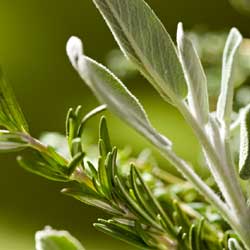
Plan Your Vegetable and Herb Garden
Sketch out your summer vegetable and herb beds now, while there is still time to order and shop. Harvest View Greenhouses offers a wide selection of seeds, including favorite annuals, perennials, and vegetables, along with many hard-to-find varieties and novelties.
Get Your Pots, Flats, and Supplies in Order
Take inventory of your pots and flats and toss any that are cracked or unusable. Then make a list of the soil, fertilizer, and supplies you will need so nothing catches you off guard on the first warm weekend.
Test Your Soil
Have your garden soil tested for nutrient content before you fertilize, so you feed only what your plants actually need. Our heavy Western New York soils vary a lot from yard to yard. We carry do-it-yourself soil test kits that make this easy.
Early Spring Pruning in New York
Prune Dormant Woody Plants
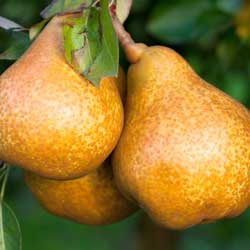
Late winter to early spring, while plants are still dormant, is the best time to prune most woody plants. Prune fruit trees, summer-blooming shrubs, fall-blooming shrubs, and vines now, before new growth begins.
Go Easy on Spring-Blooming Shrubs
Limit pruning of spring-blooming trees and shrubs such as forsythia and lilac to removing suckers and any rubbing or broken branches. Save the real shaping until right after they flower, or you will cut off this year’s blooms.
Prune Shrub Roses
Begin heavy annual pruning of shrub roses as new leaves start to appear.
Sharpen and Service Your Tools
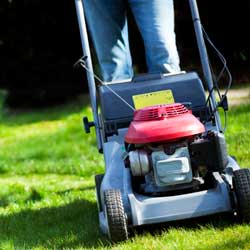
Sharpen, clean, and oil your pruners and other hand tools before you start. Sharp, clean blades make healthier cuts, and this is also a good time to service your lawn mower.
Early Spring Lawn Care
Clean Up and Open Up the Lawn
Start your spring cleanup and major lawn work by removing debris, then dethatch the lawn or aerate compacted areas. This improves water penetration and helps roots grow deeper. Stay off the lawn while it is soggy, since walking on wet turf compacts the soil.
Prevent Crabgrass
Apply a crabgrass preventer combined with lawn fertilizer to feed the grass and stop crabgrass before it starts. A helpful timing cue in our area is to apply when the forsythia blooms, which usually falls in mid to late April. Do not use crabgrass preventer on newly seeded lawns, because it stops grass seed from sprouting as well.
Reseed Bare Spots
Reseed bare spots in established lawns once the soil is workable, and skip the crabgrass preventer on those areas. Keep the seeded area evenly moist until seedlings appear, then mow when the new grass is about 3 inches tall.
Early Spring Garden Bed Cleanup
Clear Winter Weeds and Debris
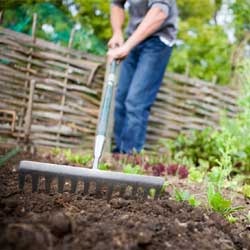
Continue your spring cleanup by cultivating out winter weeds and debris from your planting beds.
Stop Weeds Before They Sprout
Once the beds are clean, apply corn gluten or a pre-emergent weed preventer along with a fertilizer made for gardens, and scratch it lightly into the soil. Skip weed preventers in any garden where you plan to direct seed, since they block flower and vegetable seeds just like they block weeds.
Early Spring Planting in New York
Cool-Season Flowers and Strawberries
Cool-season plants can go in as soon as the soil is workable, and they handle a light frost well. Plant pansies, English daisies, and primroses for early color, and set out strawberry plants.
Cool-Season Vegetables and Herbs
Sow cool-season vegetables and herbs directly in the garden, and transplant cool-season seedlings you started indoors.
Trees, Shrubs, Roses, and Perennials
Trees, shrubs, roses, ground covers, and perennials can be planted and transplanted now, while the weather is cool and the soil is moist. Water new plantings well as they settle in.
Wait on Warm-Season Crops
Hold off on tomatoes, peppers, and basil. Sow warm-season vegetable and herb seeds only after soil temperatures reach about 60 degrees, which in Western New York is usually not until mid to late May.
Feed Your Plants in Early Spring
Perennials, Roses, Trees, and Shrubs
Feed plants just before new growth begins so nutrients are ready when roots wake up. Fertilize perennials, roses, trees, and shrubs with a fertilizer suited to each type of plant, and ask our team to help you choose.
Berries, Grapes, Rhubarb, and Asparagus
Berry bushes, grapevines, rhubarb, and asparagus all benefit from a balanced 10-10-10 fertilizer before new growth starts.
Control Insects with Horticultural Oil
Dormant Trees and Shrubs
Year-round horticultural oil is an easy way to reduce overwintering insects and mites on trees and shrubs. Spray it on a day above freezing, with no hard freeze in the forecast for the next 24 hours.
Evergreens and Spider Mites
Evergreens like arborvitae, Cryptomeria, false cypress, fir, hemlock, juniper, pine, yew, and spruce can be sprayed on the needles and limbs to control spider mites. Do not spray blue spruce, because oil can strip the waxy blue coating from the needles.
Bulbs and Perennial Support
Divide Spring Bulbs
Once early spring bulbs finish blooming, dig and divide any crowded clumps and enrich the soil with bone meal to support next year’s flowers. Leave the foliage in place until it yellows.
Support Peonies and Tall Perennials
Place grow-through supports over peonies, ornamental grasses, and other perennials that tend to flop, and do it now, while new growth is still small. It is much harder to add supports once plants are tall.
Visit Harvest View Greenhouses
Get Your Season Off to a Great Start
Early spring is when the greenhouses start to fill up. Stop in for seeds, soil test kits, pansies, primroses, and advice tailored to Western New York gardens. Our team is happy to help you get your season off to a great start.