Fall is the gardener’s second chance in Western New York. Cool nights, warm soil, and steady rain make it one of the best times to plant, seed, and divide, while the first frosts remind us to protect what we want to keep. Fall gardening in New York is all about two goals: planting for next spring and getting your landscape ready for winter. This calendar covers September and October, from fall color and spring bulbs to lawn care and winter protection.
Fall Gardening in New York: Planting for Color
Fall Color for the Landscape
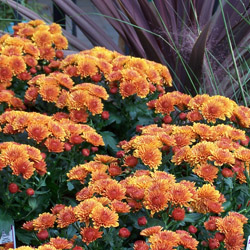
Spruce up the landscape with fall pansies, flowering cabbage and kale, garden mums, and fall-blooming perennials. They love the cool weather and keep beds and containers looking fresh until hard frost.
Trees and Shrubs
Fall is an excellent time to plant trees and shrubs. The soil is still warm, so roots keep growing, and the cooler air is easier on new plants. Water them well until the ground freezes.
Cool-Season Salad Greens
Plant cool-season greens such as arugula, corn salad, lettuce, radishes, and spinach in cold frames for a late harvest.
Plant Spring Bulbs in Fall
Choose and Plant Your Bulbs
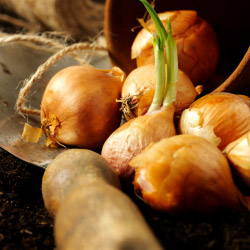
Pick up spring-flowering bulbs like tulips, daffodils, crocus, hyacinths, and snowdrops while the selection is best at Harvest View Greenhouses. Plant them in September and October, feed with a bulb fertilizer, and water in well. An auger bit for your drill makes planting a lot easier.
Pot Bulbs for a Cold Rest
Hardy spring bulbs such as anemone, crocus, daffodil, hyacinth, ranunculus, and tulip can be potted now. Keep them in a cold frame or a cool garage around 40 degrees, or sink the pots into the ground and mulch. Keep them evenly moist.
Lift Summer-Flowering Bulbs
After frost kills the top growth, dig up dahlias, cannas, tuberous begonias, caladiums, and gladiolus. Treat them with a bulb dust, pack them in peat moss, and store them in a ventilated area for the winter.
Fall Lawn Care in New York
Test Your Soil pH
Test your lawn pH to find out whether you need lime this season. Lime raises soil pH slowly, so follow the label rate for your square footage and retest next year.
Aerate, Reseed, and Feed
Fall is the best time to aerate, reseed, and apply a fall lawn food. Keep grass seed damp, and water daily if needed until it sprouts.
Check for Grubs
Skunks, raccoons, and moles digging in the lawn, along with brown patches that peel back easily like a carpet, point to grubs. Chinch bugs and sod webworm can also cause damage. Ask our team about the right control for what you find.
Rake Leaves and Lower the Mower
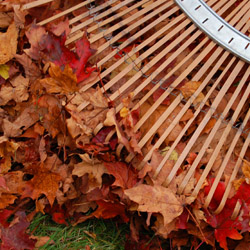
In October, rake leaves off the lawn and lower your mower blade for the last few cuts of the season.
Fall Garden Cleanup in New York
Cut Back Perennials
Cut back perennials unless they have ornamental seed heads worth leaving for winter interest and for the birds. Clean up beds and gardens so insects and diseases have nowhere to overwinter.
Remove Annuals and Diseased Debris
Pull annuals, roots and all, and add them to the compost pile. Do not compost diseased material. Destroy it instead.
Feed Your Compost Pile
Check your compost pile and add a compost activator to help break down leaves and lawn clippings.
Update Your Garden Records
Write down what worked and what did not, gaps in your planting, and changes you want to make next year. It is much easier to remember in October than in April.
Dividing and Pruning in Fall
Divide Perennials
Divide daylilies and other spring-blooming perennials, including iris and peonies, in fall so they can settle in before winter.
Do Not Prune Spring-Blooming Shrubs
Resist the urge to prune forsythia, azaleas, camellia, holly, lilac, rhododendron, spirea, or viburnum. They set next year’s flower buds in fall, and pruning now removes them.
Cut Back Canes
Prune long raspberry and rose canes back to about three feet so winter wind does not whip them around.
Fall Feeding for Trees, Shrubs, and Perennials
Trees, Evergreens, and Shrubs
After the leaves fall, fertilize trees with tree spikes or a tree fertilizer. Feed azaleas, rhododendron, and evergreens with an acid-loving plant food, and other shrubs with a general shrub fertilizer.
Perennials and Blooming Plants
Fertilize perennials after you cut them back. A phosphorus fertilizer such as superphosphate can help stubborn plants bloom next year, and a soil test will tell you whether yours need it.
Fall Rose Care in New York
Clean Up Diseased Leaves
Clean up and destroy diseased rose leaves and debris around shrubs and perennials so problems do not carry over to next season.
Protect Roses from Winter Damage
Mound 10 to 12 inches of soil around the base of each rose. After the ground freezes, cover the mounds with mulch or straw.
Protect Evergreens and Hemlocks
Control Woolly Adelgid
In September and again in October, spray hemlocks with an all-season horticultural oil to control woolly adelgid. Apply it on a day above freezing with no rain in the forecast.
Guard Against Winter Wind
Spray evergreens, azaleas, rhododendron, boxwood, and rose canes with an anti-desiccant to protect them from drying winter wind and cold.
Water and Mulch Before Winter
Water all landscape plants well and mulch before the winter cold sets in. Plants go into winter healthier when they are not thirsty.
Houseplants, Ponds, and Birds
Treat Houseplants Before They Come Inside
Before the first frost, treat houseplants with systemic granules and an insecticidal soap to get rid of hitchhiking insects, then bring them indoors.
Prepare Ponds and Pools
Clean out garden ponds and pools, then cover them with pond netting before leaves start to fall.
Set Up for Winter Birds
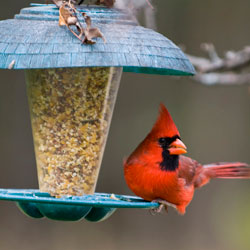
Put up bird feeders, clean and refill birdbaths, and pick up a birdbath heater for winter.
Visit Harvest View Greenhouses
Fall Plants, Bulbs, and Advice
Stop in for mums, pansies, ornamental kale, spring bulbs, and advice tailored to Western New York gardens. Our team is happy to help you finish the season strong and plan for spring.