Winter in Western New York means lake effect snow, short days, and a garden that looks asleep under a white blanket. It is also the best time of year to plan. Winter gardening in New York is less about digging and more about dreaming, organizing, and getting a head start indoors. This calendar covers what to do from January through March, from houseplant care to starting seeds, so you are ready when the soil thaws.
Plan Your Garden While It Rests
Curl up with your favorite gardening books, the seed catalogs that show up in the mail, and a warm drink. Pull out your gardening journal and look back at what worked and what did not last year. Sketch new bed layouts, note where the sun falls in each part of your yard, and start a wish list of new plants, colors, and containers. Ideas you write down in January are much easier to act on in May.
Winter Landscape Care
Clean up whenever you get a break in the weather. Remove fallen branches and downed evergreen clumps, and rake up any leaves left on the lawn, since they can stain concrete and leave dead patches in the grass. Try to stay off frozen or soggy lawns, because walking on them damages the grass crowns.
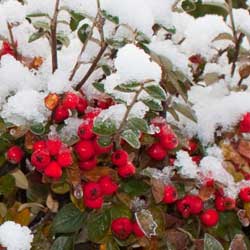
Heavy, wet snow can bend and break evergreens and shrubs. Gently brush snow off with an upward sweep of a broom rather than shaking or hitting branches, and never try to chip off ice. If you use salt on walkways and driveways, keep it away from planting beds, since road salt burns roots and foliage. Leave mulch in place as long as freezing weather is in the forecast, because it protects roots from the freeze and thaw cycles that heave plants out of the ground.
If your Christmas tree is still around, put it to work. Set it in the garden where the falling needles will act as mulch, lay the branches over perennials for extra insulation, or team up with neighbors to rent a chipper and turn it into wood chips for larger mulch areas.
Houseplant Care
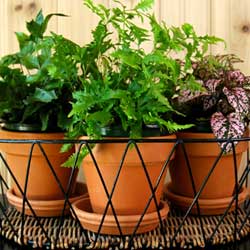
Winter is a stressful season for houseplants. Days are short, light is weak, and heated indoor air is dry. A little attention now keeps them healthy until spring.
Start by removing dead and dying leaves, then rinse the foliage under a soft shower in the sink or tub. This washes off dust so leaves can absorb more light. Check the undersides of leaves for tiny speckles or fine webbing, which are signs of spider mites. They thrive in warm, dry winter homes and are much easier to control when caught early.
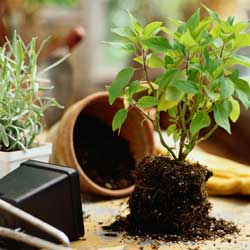
Look at the roots, too. If they are growing through the drainage holes or over the edge of the pot, it is time to repot. A slightly larger pot in a fresh, fun color can update your decor at the same time. If you would rather not go up a pot size, untangle the roots, trim them back by about one third, scrub the pot clean, and replant with fresh potting soil.
Turn your plants a quarter turn each week so they grow evenly instead of leaning toward the weaker window light. Water only when the top inch or so of soil feels dry, because overwatering is the most common winter houseplant problem.
Bring the Garden Indoors
If you cannot play in the dirt outside, bring the fun inside. Planting a terrarium or miniature garden is a great winter project for adults and kids alike, and it is a nice way to enjoy green growth while the snow piles up outside.
Valentine’s Day is also a perfect time to give something that lasts longer than a bouquet. Cyclamen, miniature roses, orchids, and other colorful blooming plants come in red, pink, and white and make thoughtful “I love you” gifts.
Start Seeds Indoors
Late winter is when the vegetable garden begins, even with snow on the ground. The trick is timing, and the rule of thumb is to count backward from our average last frost date in mid-May.
Start slow growers first. Onions, leeks, and celery can be sown indoors in February, and scallions can go in around then too. Peppers and eggplant like a long, warm start and do best sown in late February through mid-March. Broccoli, cabbage, and kale can be started in March for transplanting in April, since they handle cool weather well. Tomatoes are best sown in late March to early April, about six to eight weeks before planting outdoors. Starting them too early gives you leggy plants that struggle once they go in the ground.
Lettuce, spinach, chard, kohlrabi, radicchio, and turnips grow quickly and prefer cool weather, so many gardeners sow them directly in the garden as soon as the soil can be worked in spring. You can also start lettuce or chard indoors for an early jump.
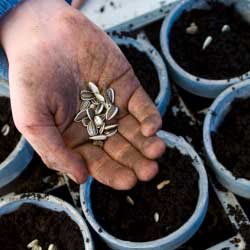
Use a fresh seed starting mix, give seedlings plenty of light from a sunny south window or a grow light, and keep the mix evenly moist but not soggy. Harvest View Greenhouses carries seed starting supplies and can help with the timing for our area.
Cover Crops and Soil Prep
Fava beans make a great short-term cover crop that adds nitrogen and improves soil. They are planted in early spring as soon as the soil is workable, which in our region is often in April rather than winter. Until then, you can order seed and plan where they will go.
Visit Harvest View Greenhouses
If you just need a breath of fresh, aromatic garden air, stop by and smell ours. The warm, humid greenhouse will instantly transport you to spring. While you are here, check out the latest trends in garden colors, containers, new plant varieties, and tools, and browse our selection of gardening books for fresh ideas. If you have questions or need suggestions, our team is here to help. We would love to see you.